Blog · All posts · The Neighbourhood
Moving to Port Perry: A Local Guide to Buying Here in 2026
2026-09-25 · The Neighbourhood · By Keith Williams & Lisa C. Follows
Key takeaways
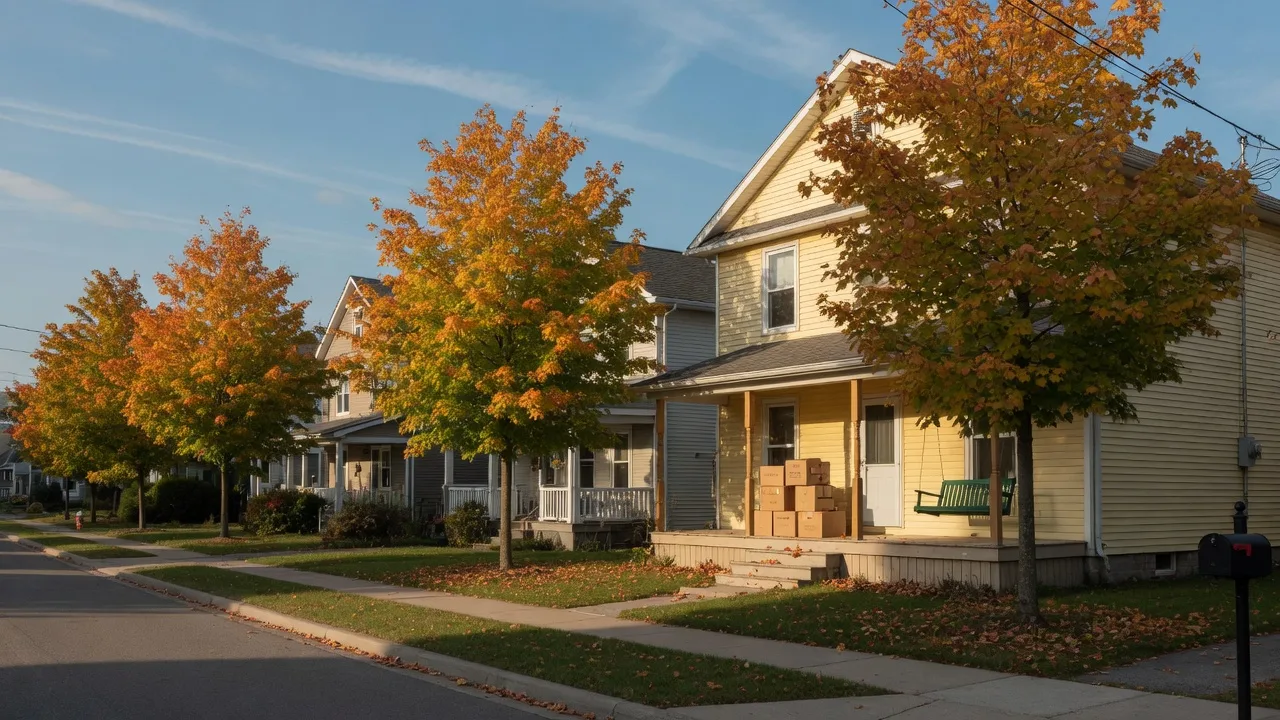
- Moving to Port Perry in 2026 means a heritage town of about 9,553 people on Lake Scugog, where Queen Street, the waterfront trail and Palmer Park are within a short walk of most in-town homes.
- The Township of Scugog had about 21,581 residents in the 2021 census, and the most recent verified average home price across the township was $894,776 in July 2026, per TRREB monthly figures published by DurhamRegion.com.
- There is no GO station in Port Perry. The usual commute is a Durham Region Transit / GO Bus route 905 to Whitby GO, then the Lakeshore East train into Union Station, roughly 1¼ to 2½ hours door to door, or about 74 km and 1 hour 15 minutes by car.
- The area is served by R.H. Cornish, S.A. Cawker and Good Shepherd for elementary grades, and Port Perry High for grades 9 to 12, so school catchment is a short, specific list to check before you buy.
- Most buyers moving here land in one of three zones: walkable in-town streets near the core, lakefront communities like Highland Beach and Cedar Shores, or quieter hamlets such as Blackstock and Prince Albert at a different price point.
Moving to Port Perry, Ontario? Here is the short answer. Port Perry is a heritage town of about 9,553 people on the shore of Lake Scugog, roughly an hour and a quarter from downtown Toronto, where a Victorian main street runs straight to a waterfront trail. For buyers, that means a small-town pace with real amenities, a sensible school lineup, and family homes on streets that still back onto green space.
This guide is written for the people who are actually weighing the move, not browsing for its own sake. It walks through what moving to Port Perry really costs, how the commute to Toronto works when there is no train station in town, which schools serve the area, and where to point your search first. It is specific to this town and to the streets around it, because that is the part of the decision a national article cannot give you.
Why families choose Port Perry
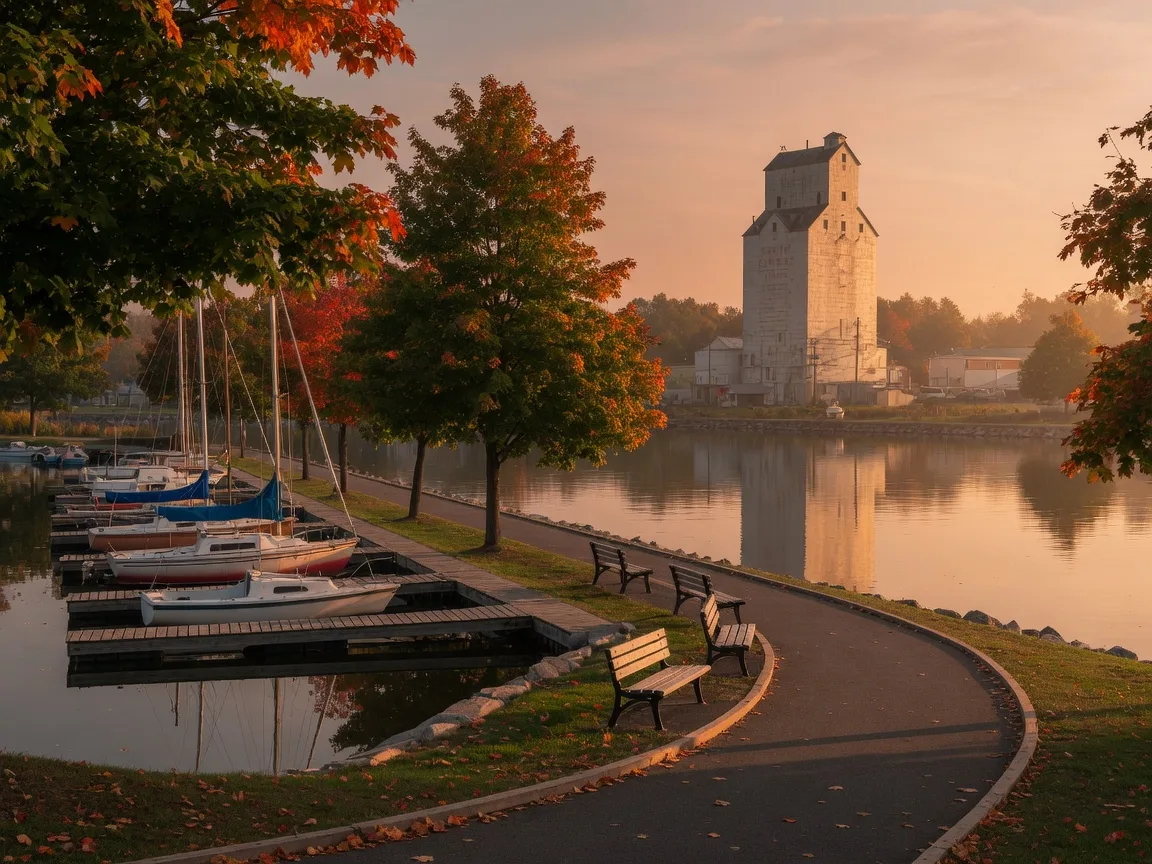
Port Perry is the largest community in the Township of Scugog, which had about 21,581 residents in the 2021 census. The town itself is compact: about 9,553 people, with a Victorian main street on Queen Street that is a designated Heritage Conservation District, a waterfront that opens onto Lake Scugog at Palmer Park, and a roughly 5 km trail system along the water. It is part of Durham Region and, on paper, the Greater Toronto Area, but it lives at a noticeably different rhythm.
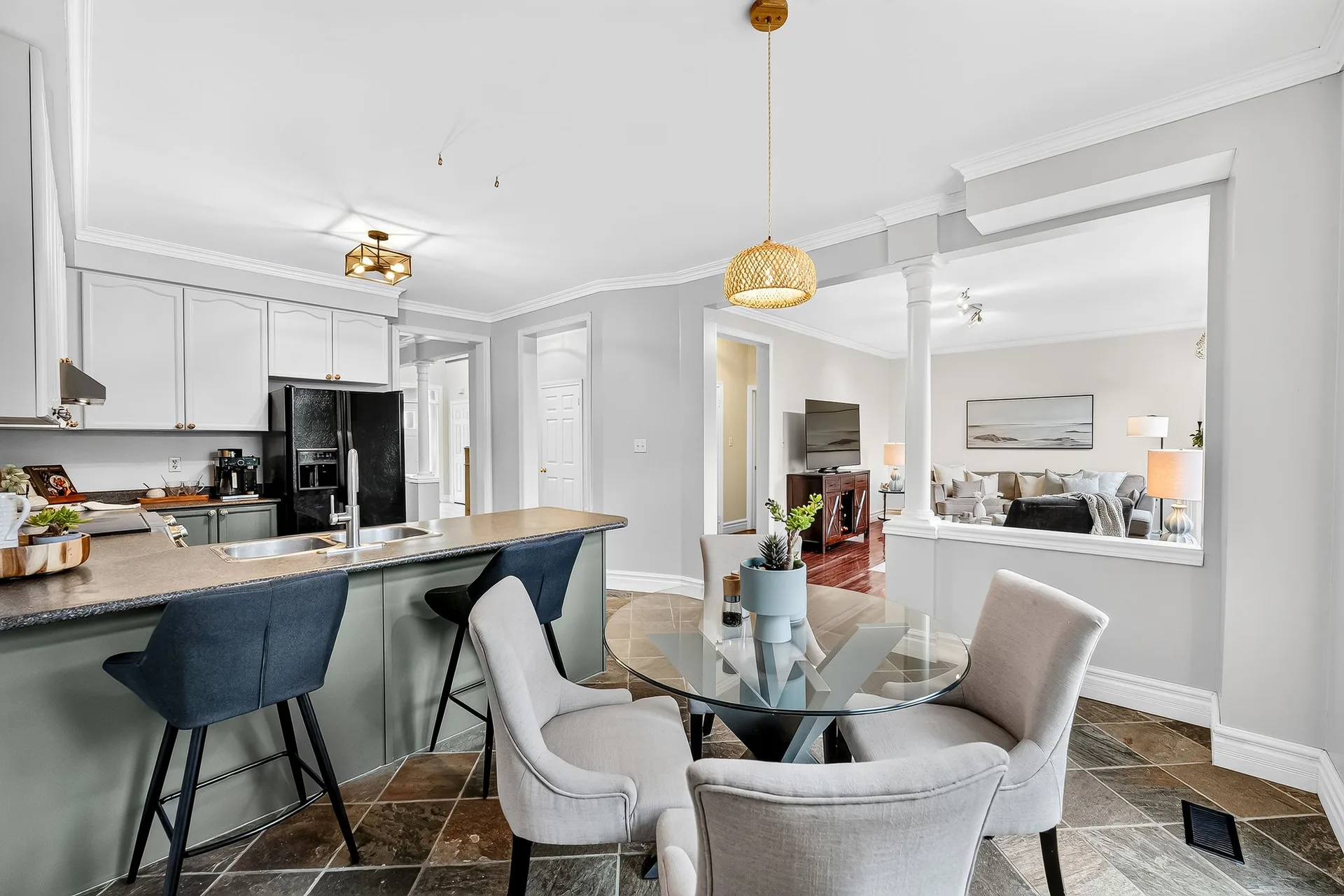
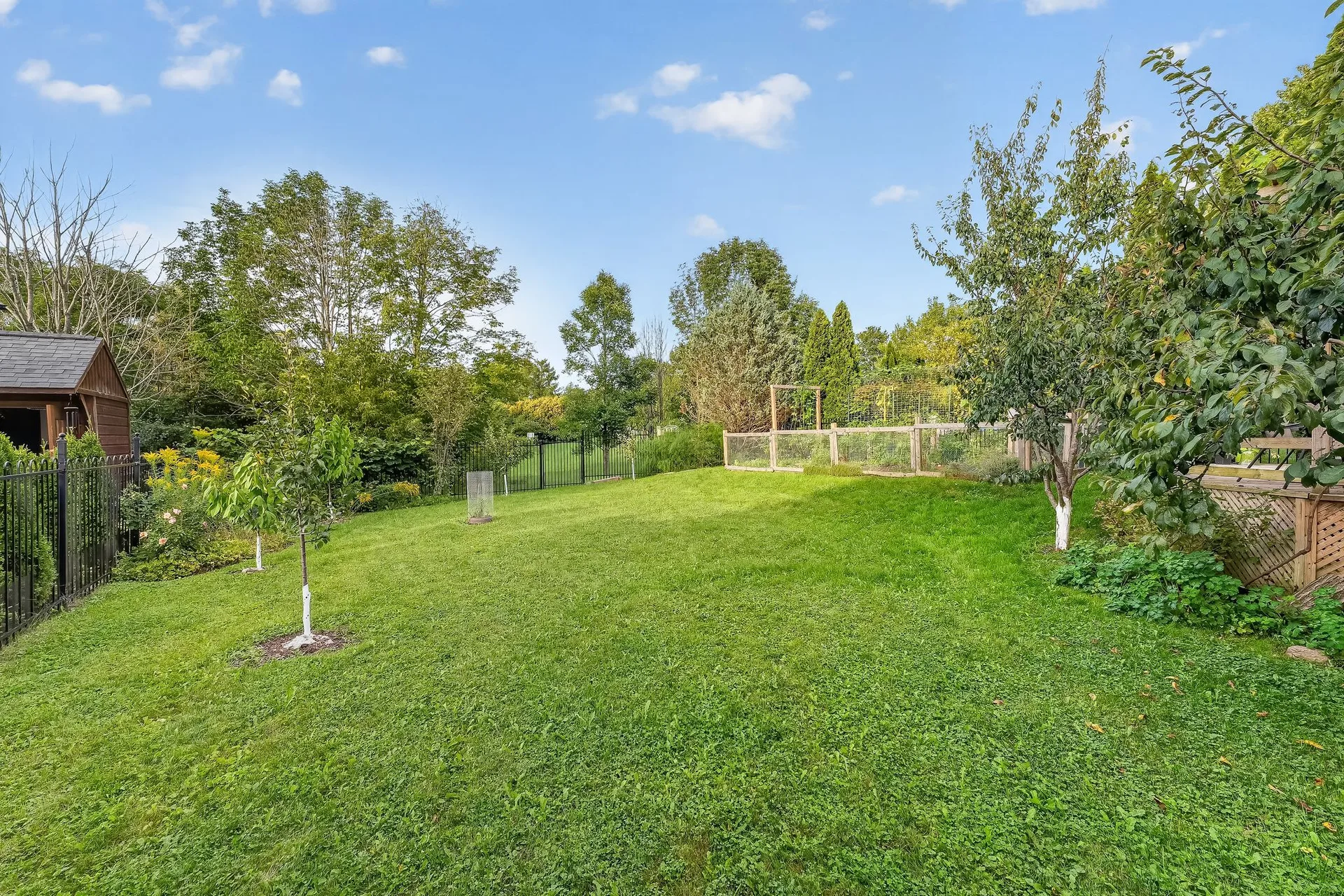
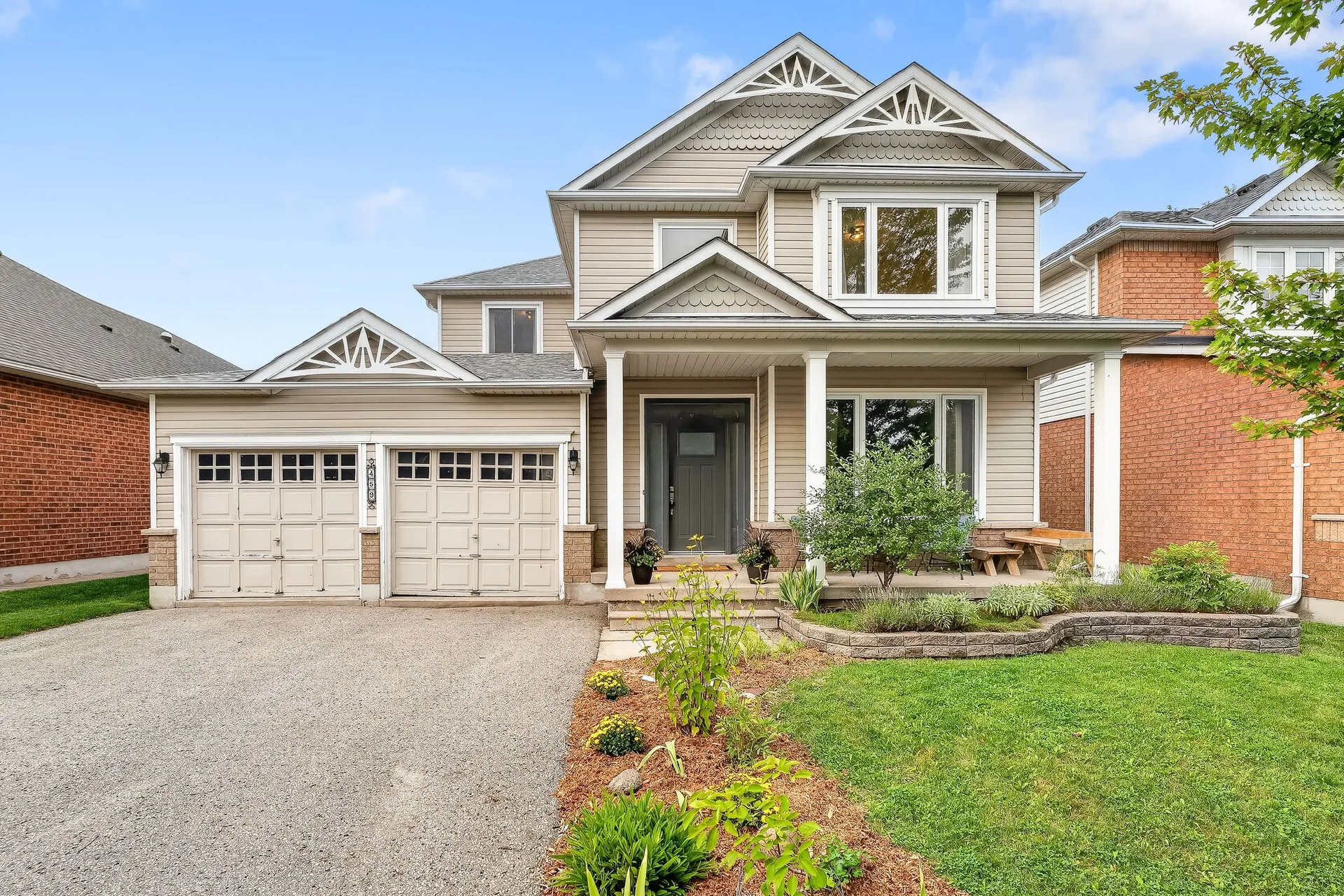
Families move here for the practical combination. The downtown is genuinely walkable, the schools are close, and many lots back onto green space rather than another fence. A home like 459 Victoria, which sits on a quiet residential street with a pond, trail and mature trees behind the fenced yard, is exactly what a lot of moving families mean by a good fit. Our guide to life in Port Perry captures how the town actually feels day to day.
What does it cost to move to Port Perry?
The honest starting point is the data. TRREB reports Scugog as one market area, and the most recent figure we can verify puts the average home price across the township at $894,776 in July 2026, down from $990,492 in June, per monthly TRREB figures as published by DurhamRegion.com. Monthly averages move around a lot in a market this size, so treat any single number as a temperature reading, not a price tag. Our 2026 Port Perry market guide breaks the averages down by neighbourhood and month.
Where you look shapes the price more than the town average does. In-town streets near R.H. Cornish and Port Perry High School hold steady family demand. Lakefront communities such as Highland Beach and Cedar Shores carry a premium for water access. And the rural hamlets around the township, places like Blackstock and Prince Albert, offer more land per dollar at a genuinely different price point. For most buyers the town average is useful context, but your street is the real number, which is why we run a fresh comparable set on every home rather than quoting a blanket figure.
How the commute to Toronto actually works
There is no GO train station in Port Perry, so this is the question to plan around, not to skip. The standard route to downtown Toronto is a Durham Region Transit / GO Bus route 905 from the Port Perry terminal to Whitby GO Station, then the GO Train Lakeshore East line into Union Station, roughly 1¼ to 2½ hours door to door depending on the connection. By car, downtown Toronto is about 74 km and roughly 1 hour 15 minutes via Highway 7/12 to the 401.
In practice, a lot of Port Perry residents drive to a GTA job and come home to the quieter town. The commute is a real trade-off, and it is worth timing your own route before you commit. Our walkability guide goes into the transit route and what daily life without a car here looks like, street by street.
Which schools serve the area
For families, the school lineup is short and worth knowing before you look. In the Durham District School Board, R.H. Cornish Public School (494 Queen St.) and S.A. Cawker Public School (16200 Old Simcoe Rd.) serve elementary grades JK through 8, feeding into Port Perry High School (160 Rosa St.) for grades 9 to 12. In the Catholic system, Good Shepherd Catholic School (1650 Reach St.) serves junior kindergarten through Grade 8. Catchment can change, so confirm the current assignment with the DDSB for the exact street you are considering.
School and walkability are two sides of the same daily rhythm. Both decide how much of your morning is spent in the car, which is why we always pair the two questions. Our family guide to Port Perry schools walks through each school and the catchment picture in more detail.
Where to look first: streets, water and green space
Start with how you want to live, then match it to a street. If you want to walk to the main street and the waterfront, aim for the in-town streets inside the walkable core. Our guide to how walkable Port Perry is maps exactly which blocks walk well. If you want water, the lakefront communities and the trail system near Palmer Park and Kinsman Beach are the draw, and our guide to the best parks in Port Perry covers the splash pad, playground and beach families actually use.
Green space is the quiet third ingredient. Lots in this part of town often back onto trees, a trail or a pond rather than a neighbour’s yard, and that private natural edge changes everyday life more than most buyers expect. For a closer look at why, see why green space behind the fence matters. The property at 459 Victoria is a good example: a four-bedroom home of about 2,344 square feet above grade, with nine-foot ceilings, a two-storey foyer, and a fenced backyard that opens onto mature trees and a pond.
What to do before you make an offer
Moving to Port Perry deserves more than a weekend of online browsing. Visit the exact street at the time of day you would use it. Walk the route to the school and the coffee shop and time it. Drive your commute once during rush hour. Talk to the businesses on Queen Street about what a winter here is like; these are the details no market report can give you.
The Port Perry neighbourhood guide around 459 Victoria maps the schools, commutes, waterfront and real local businesses so you can plan that visit before you arrive. And when you are ready to look in earnest, talk to our team and we will walk the streets with you and pull the comparable set for the homes that fit your list.
Moving to Port Perry, asked plainly
Is Port Perry a good place to move to?
For many families it is an excellent fit: a walkable heritage town of about 9,553 people on Lake Scugog, with a real main street, close schools, a waterfront trail and lots that often back onto green space. It is roughly an hour and a quarter from downtown Toronto by car, so the trade-off is the commute against a quieter pace of life.
How expensive is it to buy a home in Port Perry?
The most recent verified figure puts the average home price across the Township of Scugog at $894,776 in July 2026, per TRREB monthly data published by DurhamRegion.com. Prices vary a lot by area: in-town streets near the schools, lakefront communities like Highland Beach and Cedar Shores, and rural hamlets such as Blackstock all sit at different levels.
How do you commute from Port Perry to Toronto?
There is no GO station in Port Perry. The usual route is a Durham Region Transit / GO Bus route 905 to Whitby GO, then the GO Train Lakeshore East line into Union Station, roughly 1¼ to 2½ hours door to door. By car, downtown Toronto is about 74 km and roughly 1 hour 15 minutes via Highway 7/12 to the 401.
Which schools serve Port Perry?
In the Durham District School Board, R.H. Cornish and S.A. Cawker serve elementary grades JK through 8, feeding into Port Perry High for grades 9 to 12. In the Catholic system, Good Shepherd serves junior kindergarten through Grade 8. Catchment can change, so confirm the current assignment for the exact street before you buy.
What is the best neighbourhood in Port Perry for families?
There is no single answer, but the in-town streets near R.H. Cornish and Port Perry High combine walkable access to Queen Street and the waterfront with close schools, which is why they hold steady family demand. If water matters more, the lakefront communities around Lake Scugog are the draw. It depends on whether you want to walk to town or wake up on the water.
Written by your local team
Keith Williams & Lisa C. Follows are licensed Brokers and co-founders of Willows Realty Group, and the local experts and curators of this information. They know the streets of Port Perry and Scugog on foot, and they build each week’s guide around the questions real buyers actually ask. More about the team is on the About page.
More about the teamCall today to talk about your next move!
Call Lisa or Keith at 905-985-9898.